
Adaptation and Offence: Key for Maintaining Control
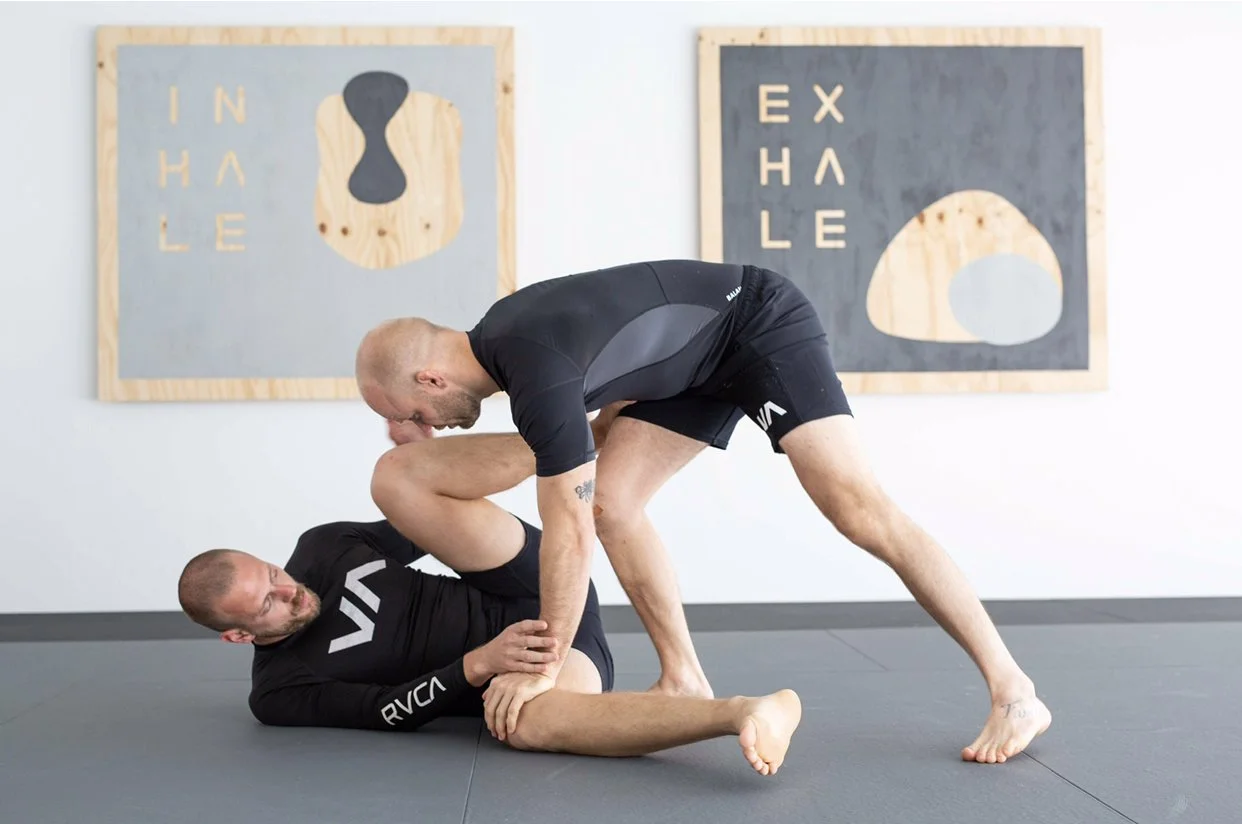
After four minutes of being flattened in bottom side control, you’ve finally secured your hard-earned dominant position. The absolute last thing you want to do is let your opponent escape, and take you back to square one. So the question is, how can you maintain control?
Maintaining control isn’t just about getting the right hooks and grips, it requires constant adjustment. If your opponent is moving, you can’t ignore it. By staying aware of their grips, posture, and weight shifts, you can adjust before they create an opening to escape. If your control is slipping you can change positions before they escape. This proactive awareness not only helps maintain control but also allows you to flow between attacks and positions smoothly, keeping constant pressure and making it much harder for your opponent to escape. In other words, control isn’t just about strength or technique—it’s about timing, observation, and staying one step ahead.
In this case of Jiu Jitsu at least, the classic adage ‘the best defence is a good offence,’ holds water. If you’re waiting to defend your opponent's next escape attempt, and not waging your own offence, you're in a reactive state. And when you're reactive you’re not in control; you’re playing their game. Waging an offence is essential to maintaining control. Attacking can also let you dictate the pace of the roll, creating opportunities for submissions while keeping your opponent trapped and off balance.
Offence doesn’t mean recklessly going for submissions, it means applying pressure, threatening attacks, and staying active. When your opponent is busy defending, they can’t focus on escaping. The more you attack, the more they react, and every reaction leaves room for error.